So what did we learn from our passage through Portugal?
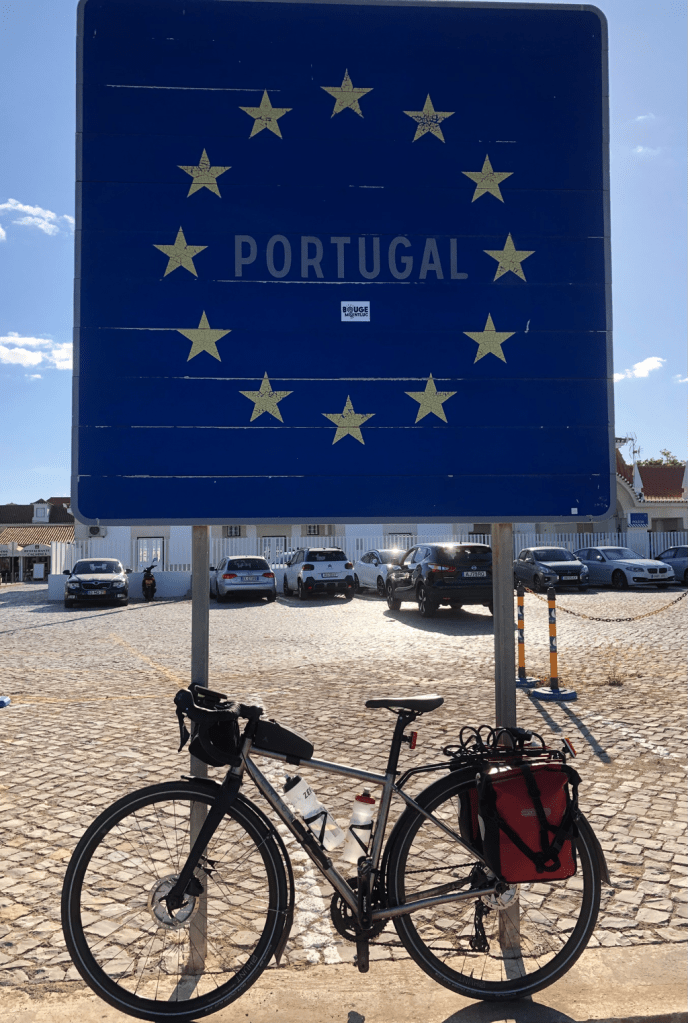
I don’t like to start with a negative, but from our vantage point I’m afraid the most obvious point to make is that cycling in Portugal isn’t for the faint hearted. Not because of the terrain (although that also tested our cardiac capabilities), but the driving – specifically, the margin they gave us when passing. As a general rule, even when the road was empty, the car would remain inside the lane when overtaking. We stayed on the hard shoulder where we could, but often that made things worse, as drivers seemed to consider us as off the road, so they didn’t give any quarter at all.
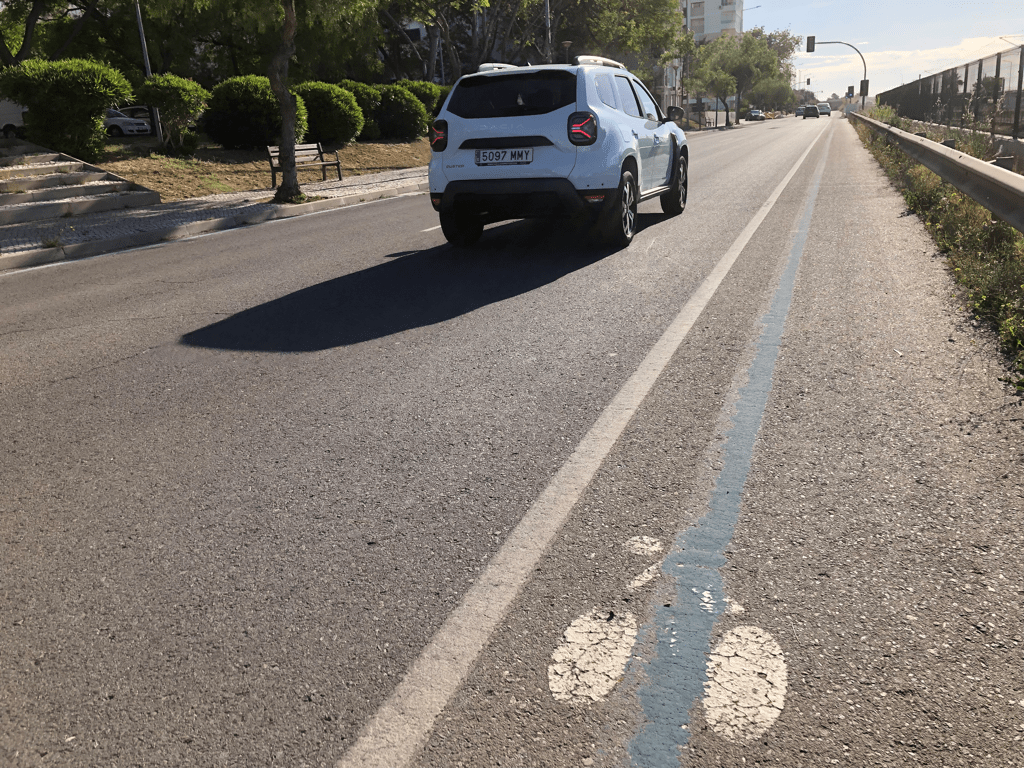
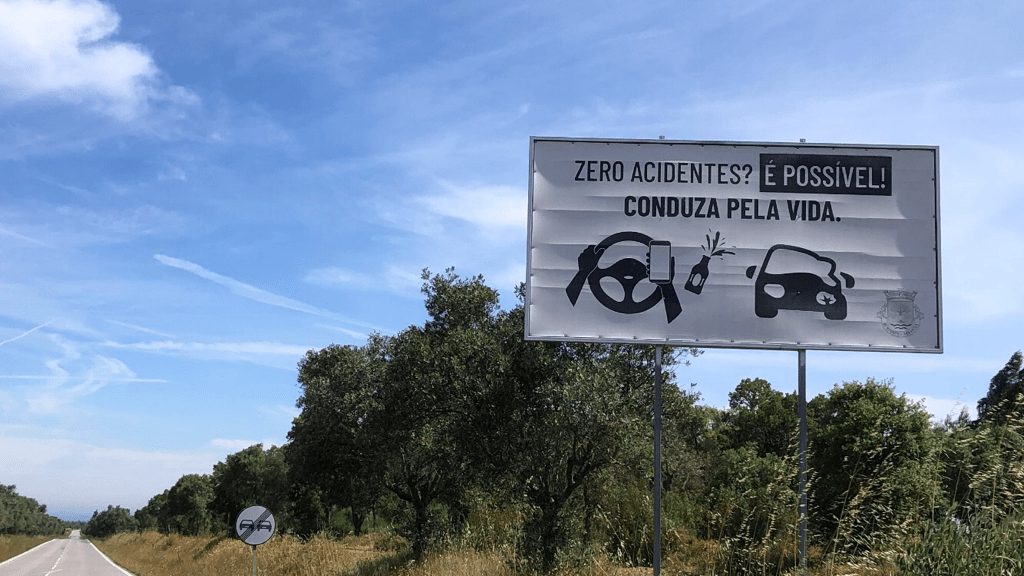
From what we saw, there was no malice intended. And it’s not down to carelessness, because the margin they gave us was absolutely consistent, from one end of the country to the other. Drivers simply don’t seem to appreciate how it feels from a cyclist’s perspective to be barely two feet from a speeding car. The contrast when we crossed the border back into Spain was just incredible. Every single car crossed the centre line to overtake us, except one. Which had a Portuguese plate. And it made us wonder how you train an entire population to change their behaviour. It’s clear the authorities in Portugal are trying, but they still have a way to go
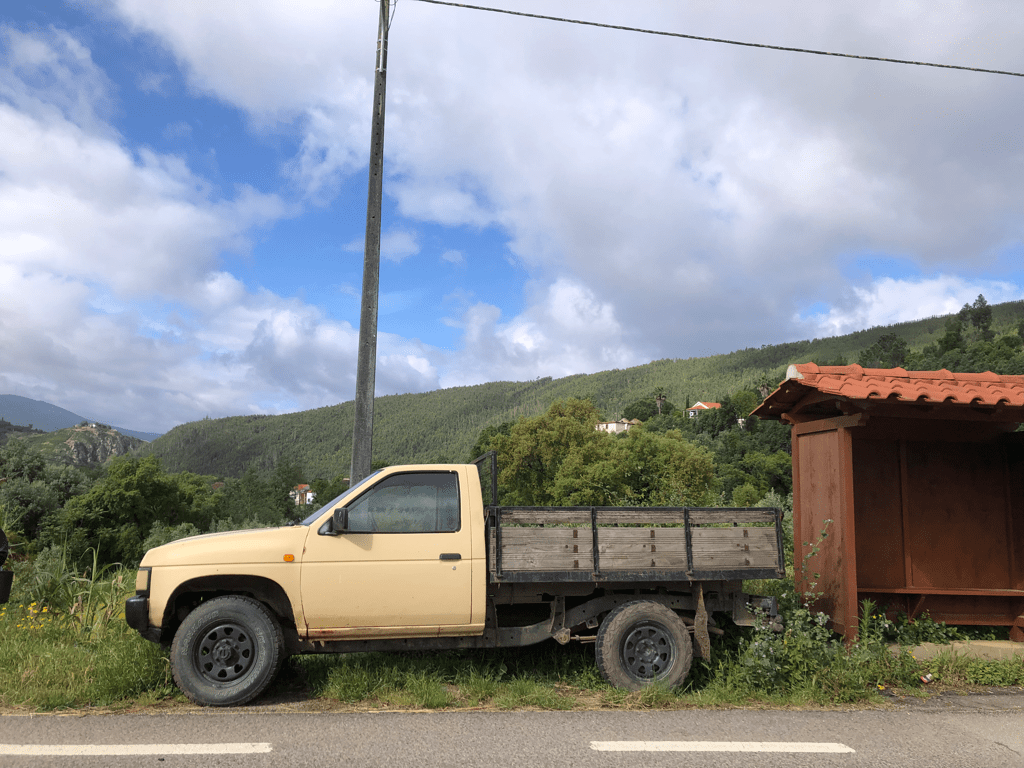
Speaking of traffic, another curiosity we noticed straightaway was that country folk in Portugal favour a particular type of vehicle – a 4×4 cab combined with a wooden-slatted flatbed. It doesn’t exist across the border in Spain and looked more akin to an Aussie cattlemen’s ute. One for the petrolheads to ponder.
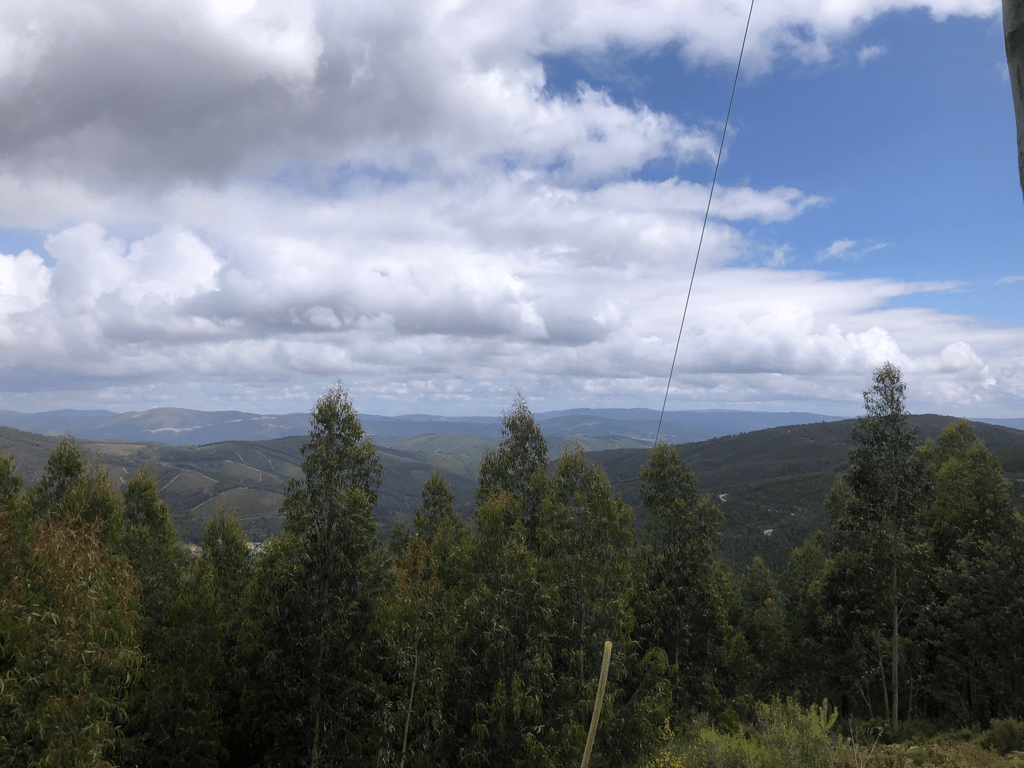
Landscape-wise, even though our route passed through the more rural centre of the country, I hadn’t expected it to feel so vast and empty. Or for so much of it to be shaped by forestry
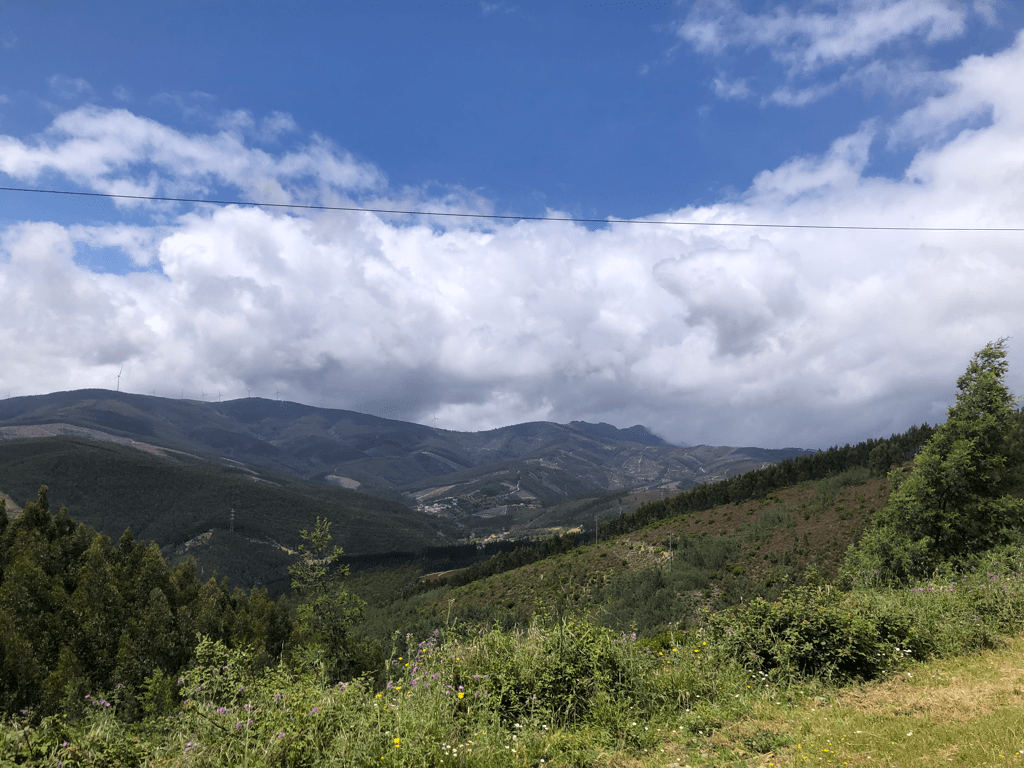
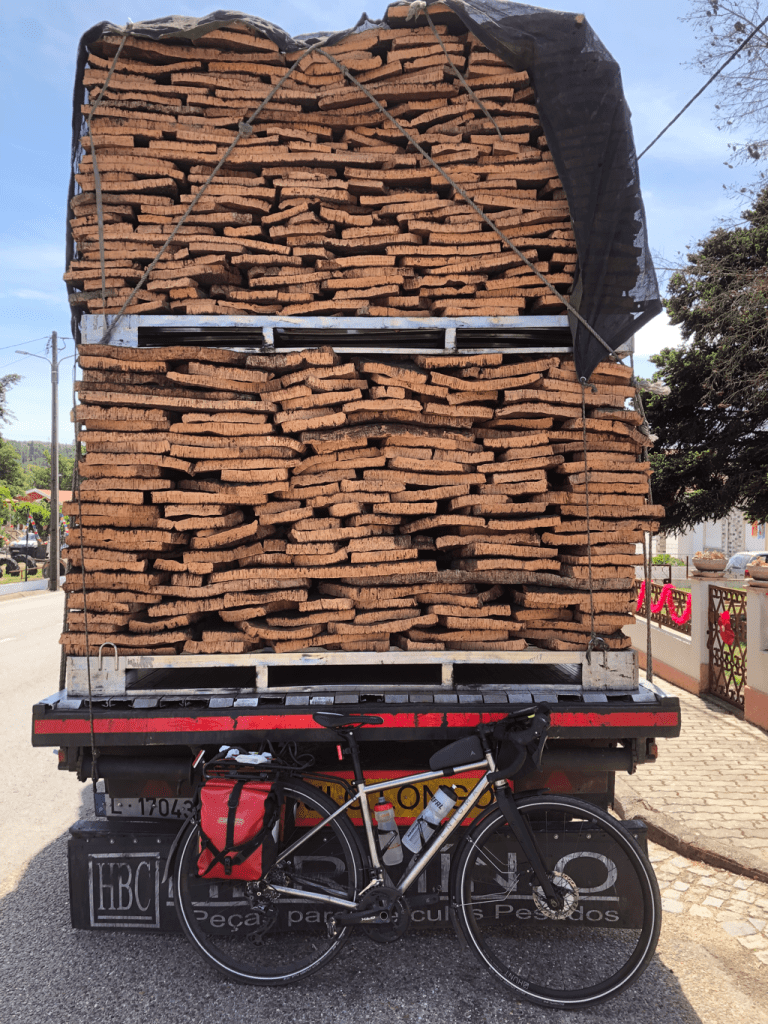
In particular, cork oaks
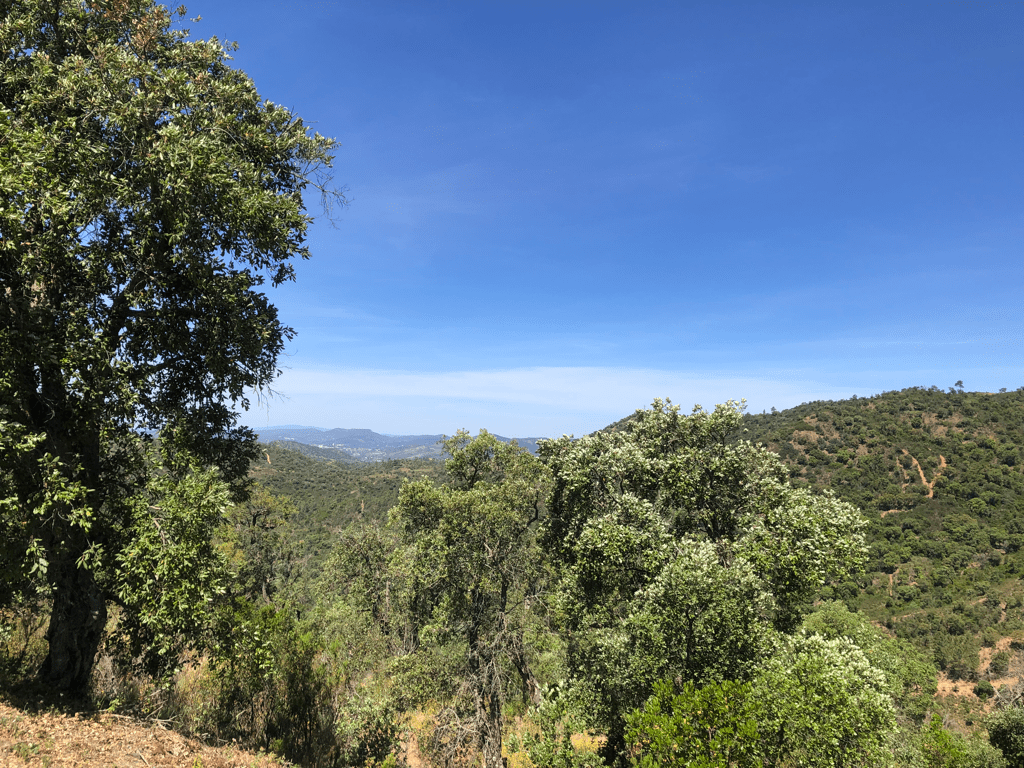
Whose gnarly bark
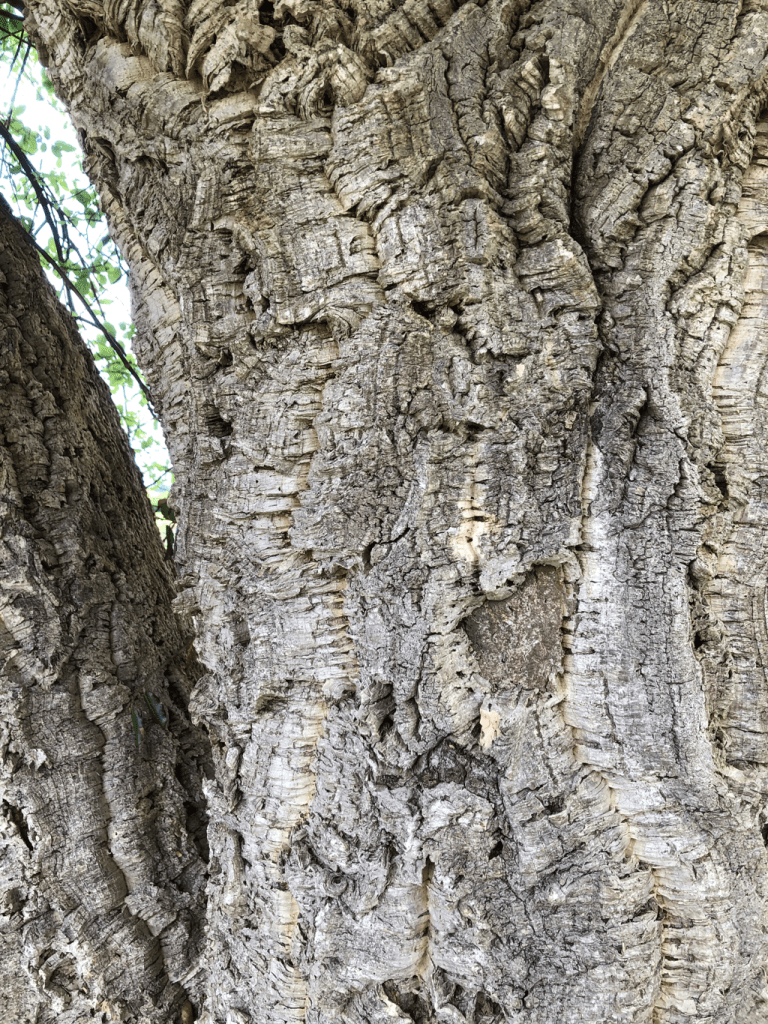
Is stripped from their trunks
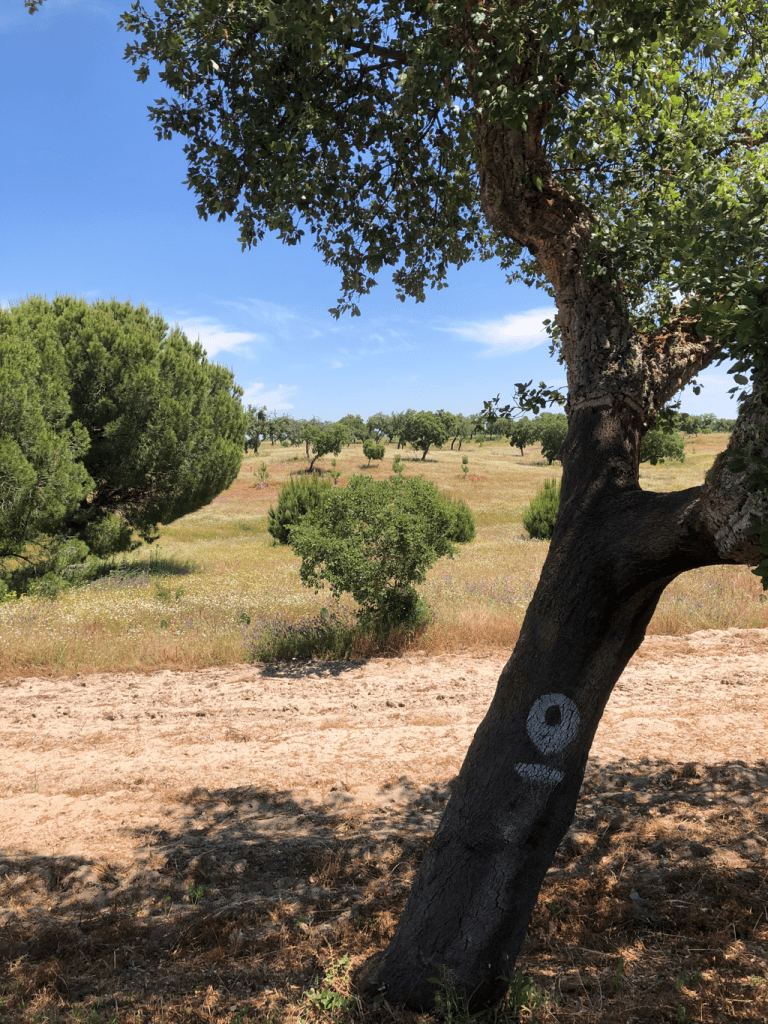
And carried away
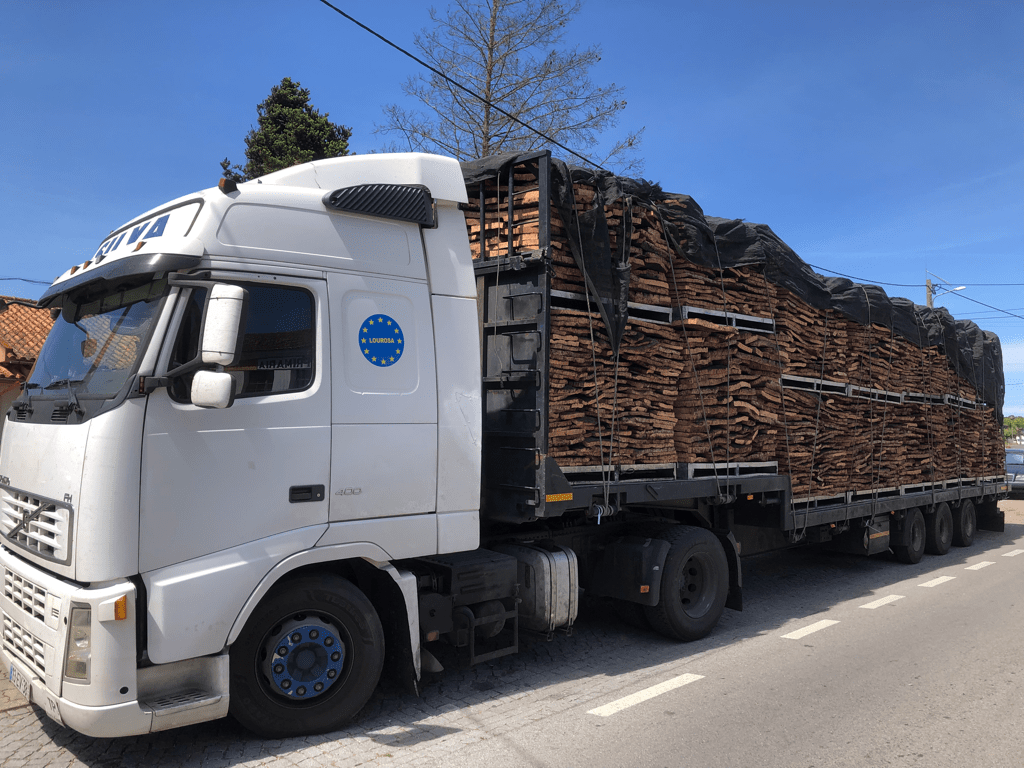
To be processed into everything from bottle stoppers to wallets, floor tiles, place mats and even clothing
When it wasn’t oak forest, it was pine and eucalyptus for paper
Or grapes
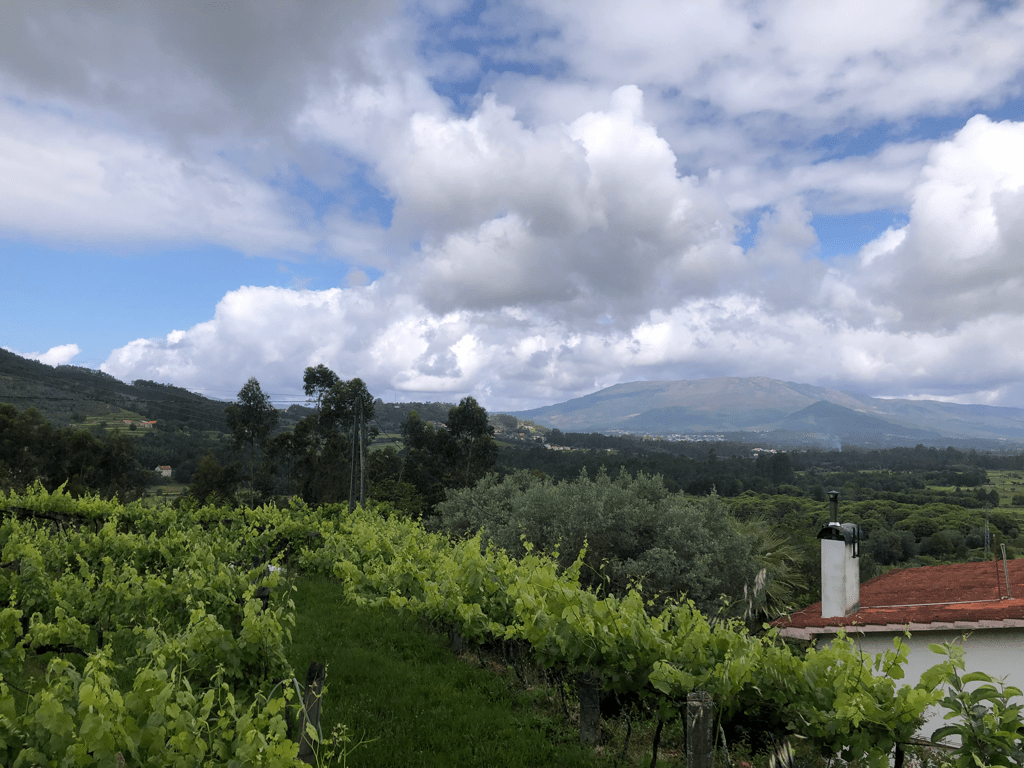
For the adegas of the Alentejo, the Douro, and of course Porto
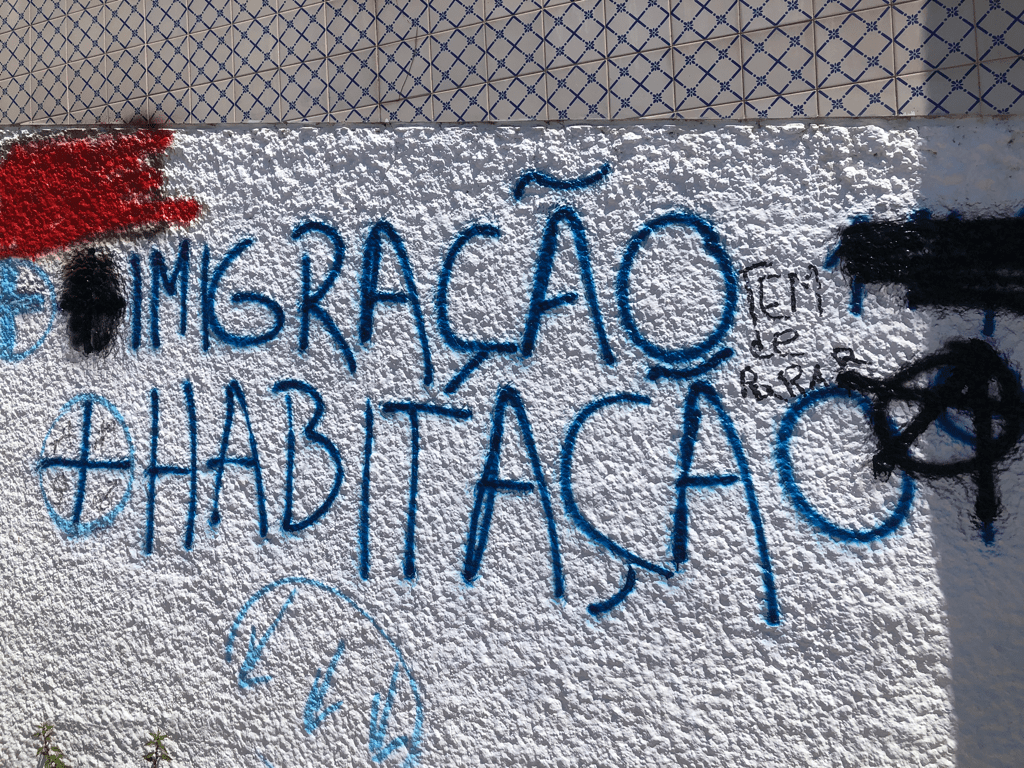
Politics were never very far away. Housing was a common theme here and in Spain, whether linked to immigration, as below, or, more often, to tourism – the fact that tourist accommodation is pushing the locals out of town centres
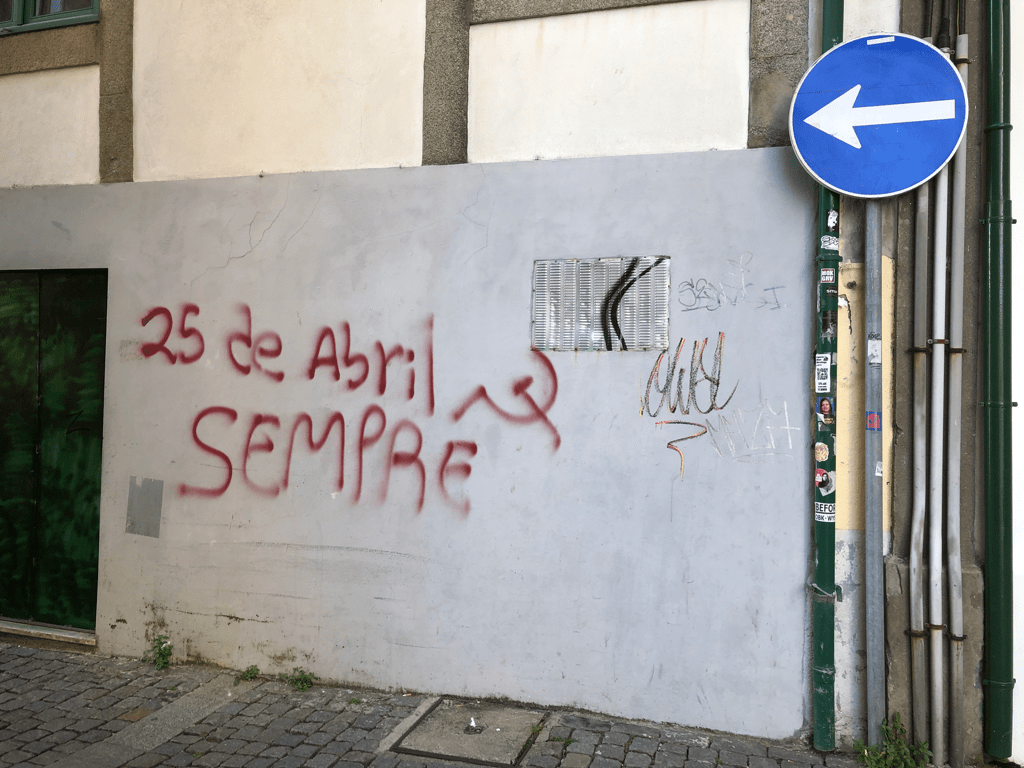
And there were plenty of signs that the country had just celebrated the 50th anniversary of its revolution. From what we saw, the communist party enjoys significant support in the centre of the country
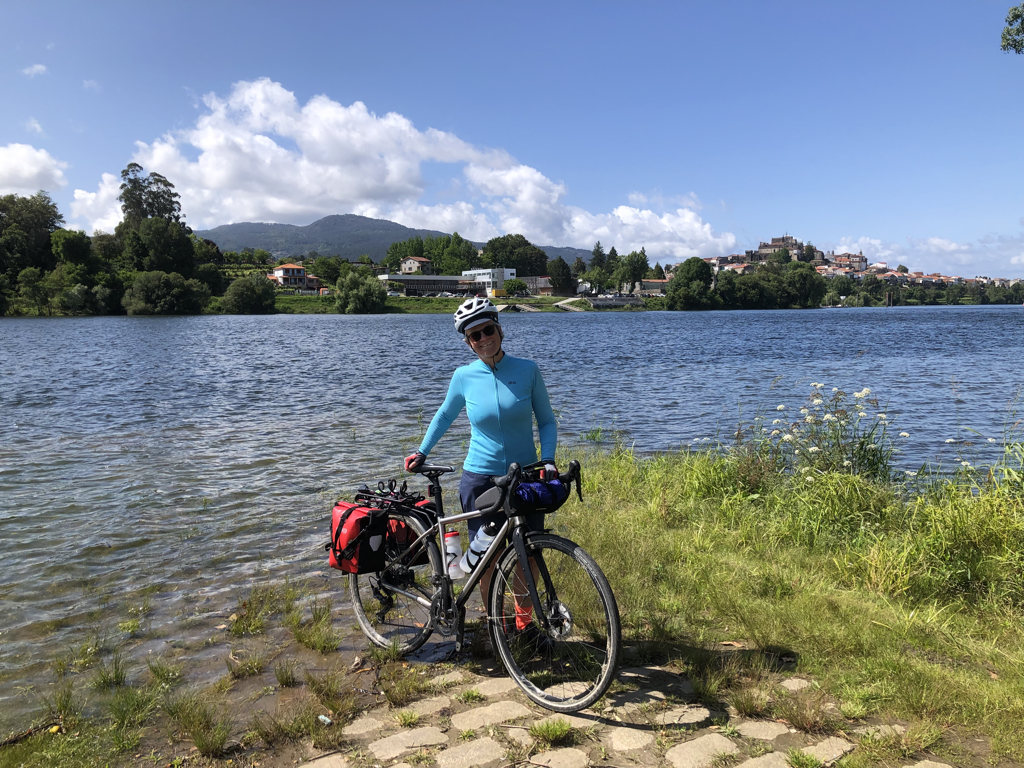
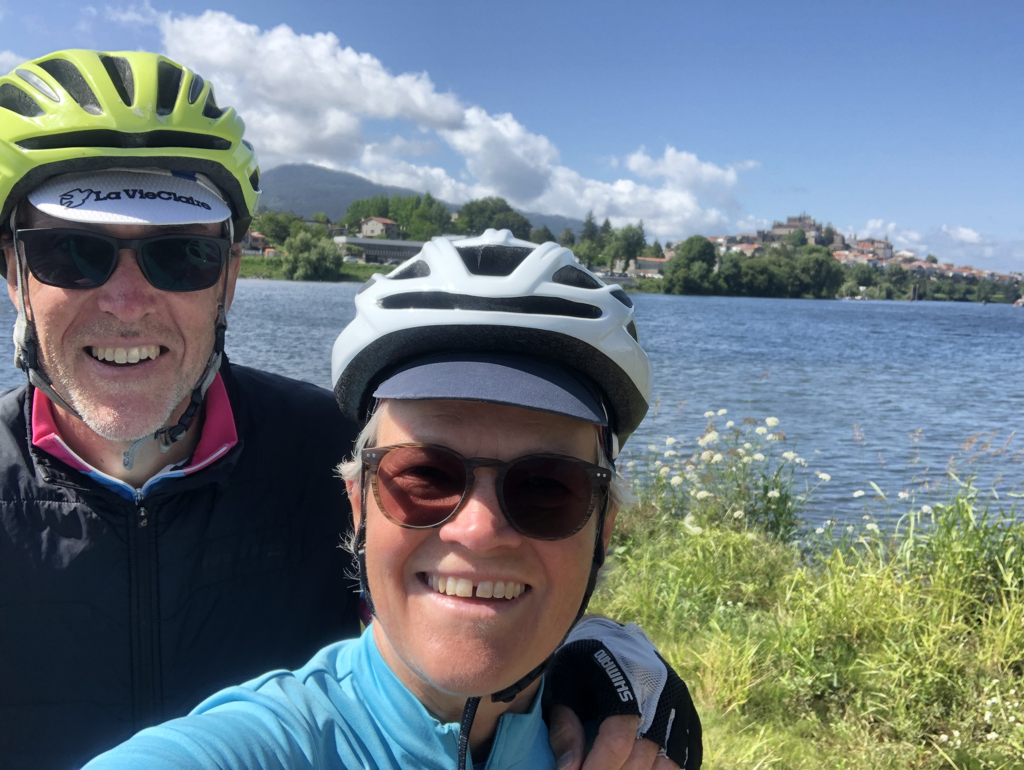
Human geographers might be interested to learn that the busiest crossing point between Portugal and Spain is on the northern border. Specifically, between Valença and Tui, the Spanish town just over my left shoulder in this photo. The bridge across the river Minho, out of shot to my right, takes half of the total international road traffic between the two countries
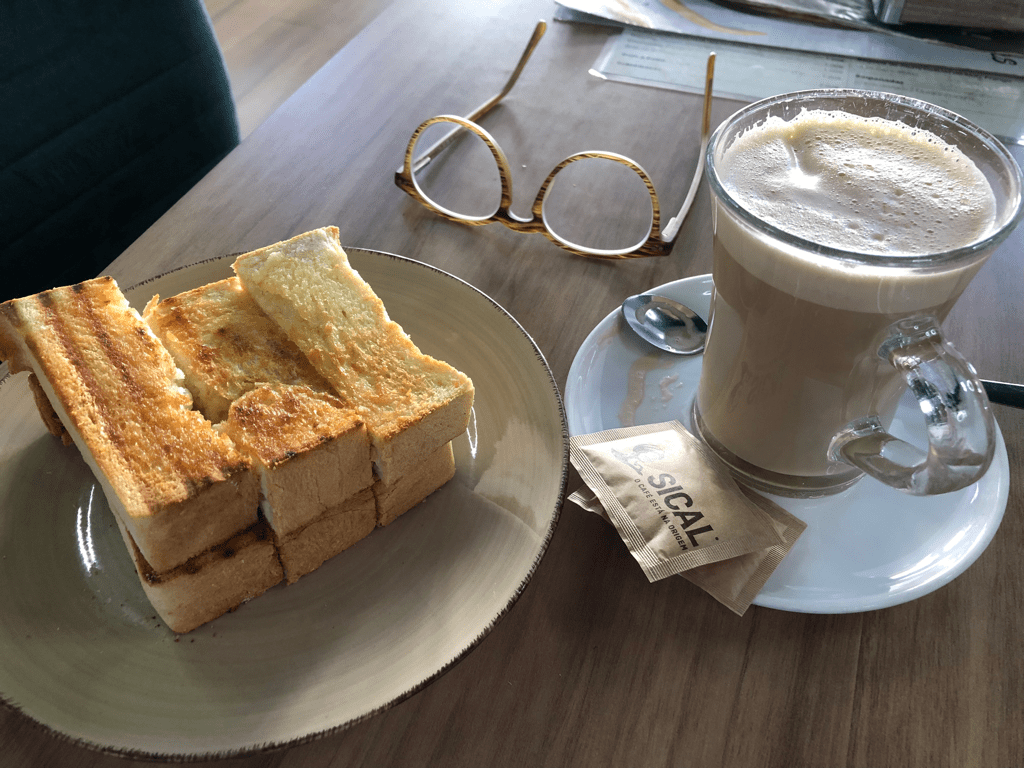
Obviously, important lessons were also learned with regard to food and drink. After considerable trial and error, we learned that a meia de leite (‘meya de late’) equates to a Spanish café con leche, and that we should order a galão if we wanted a British latte with our (pre-buttered and jam-free) breakfast toast:
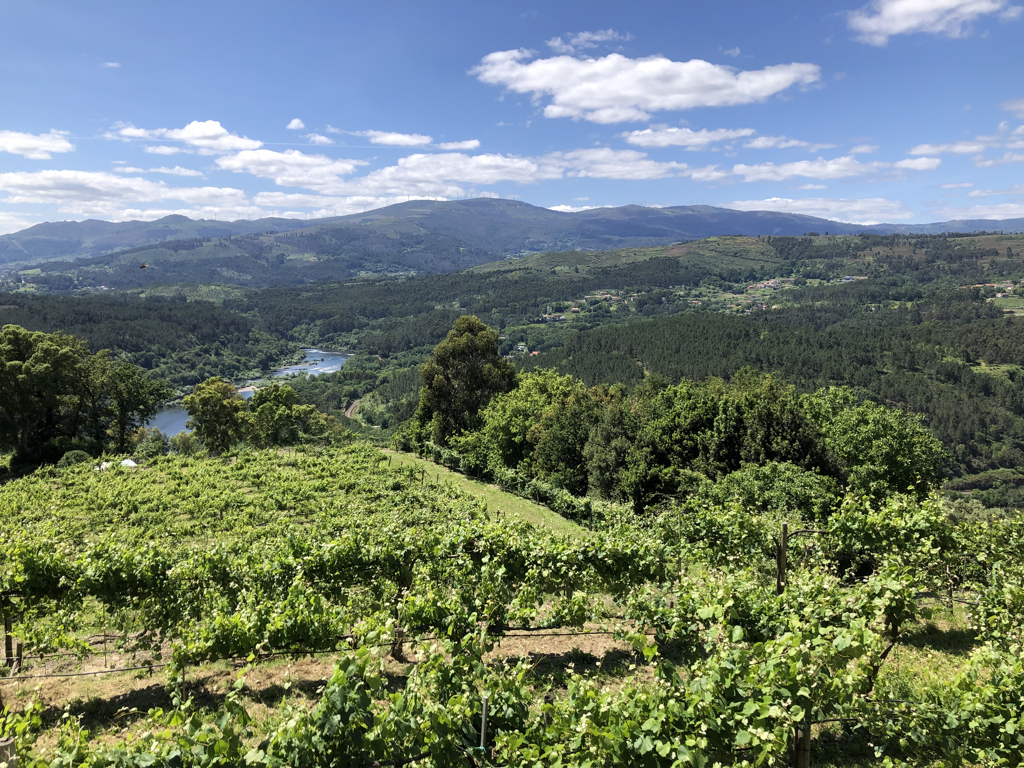
Overall, and driving notwithstanding, Portugal has been a delight. Tougher cycling than in Spain, but did I mention the views?
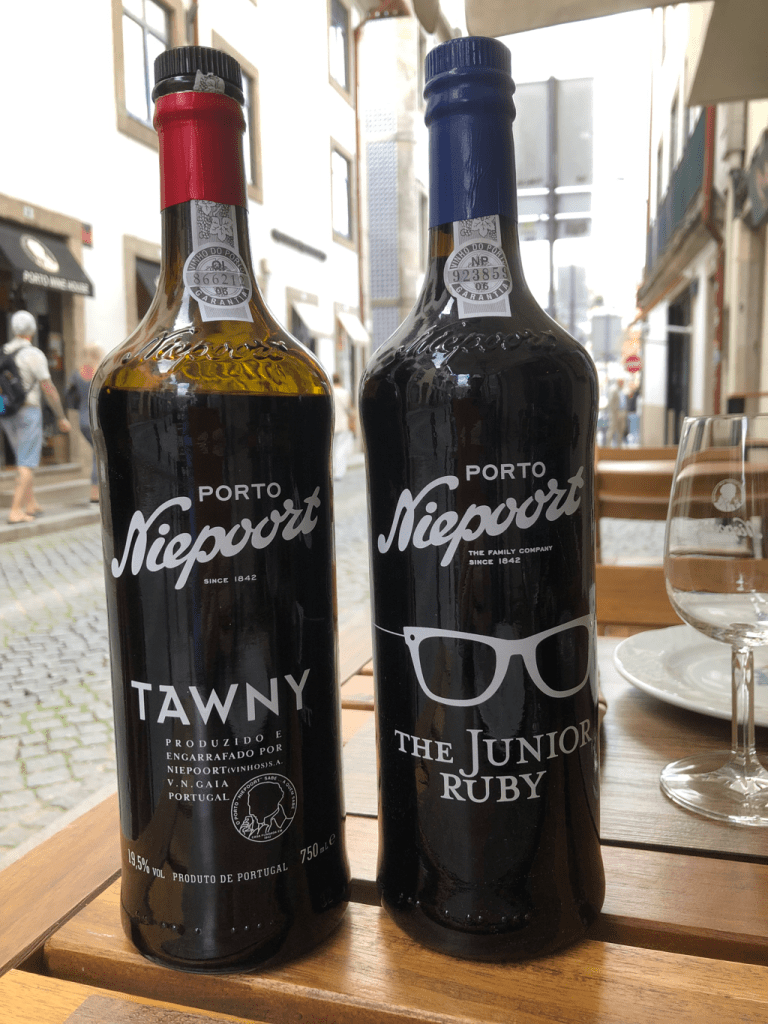
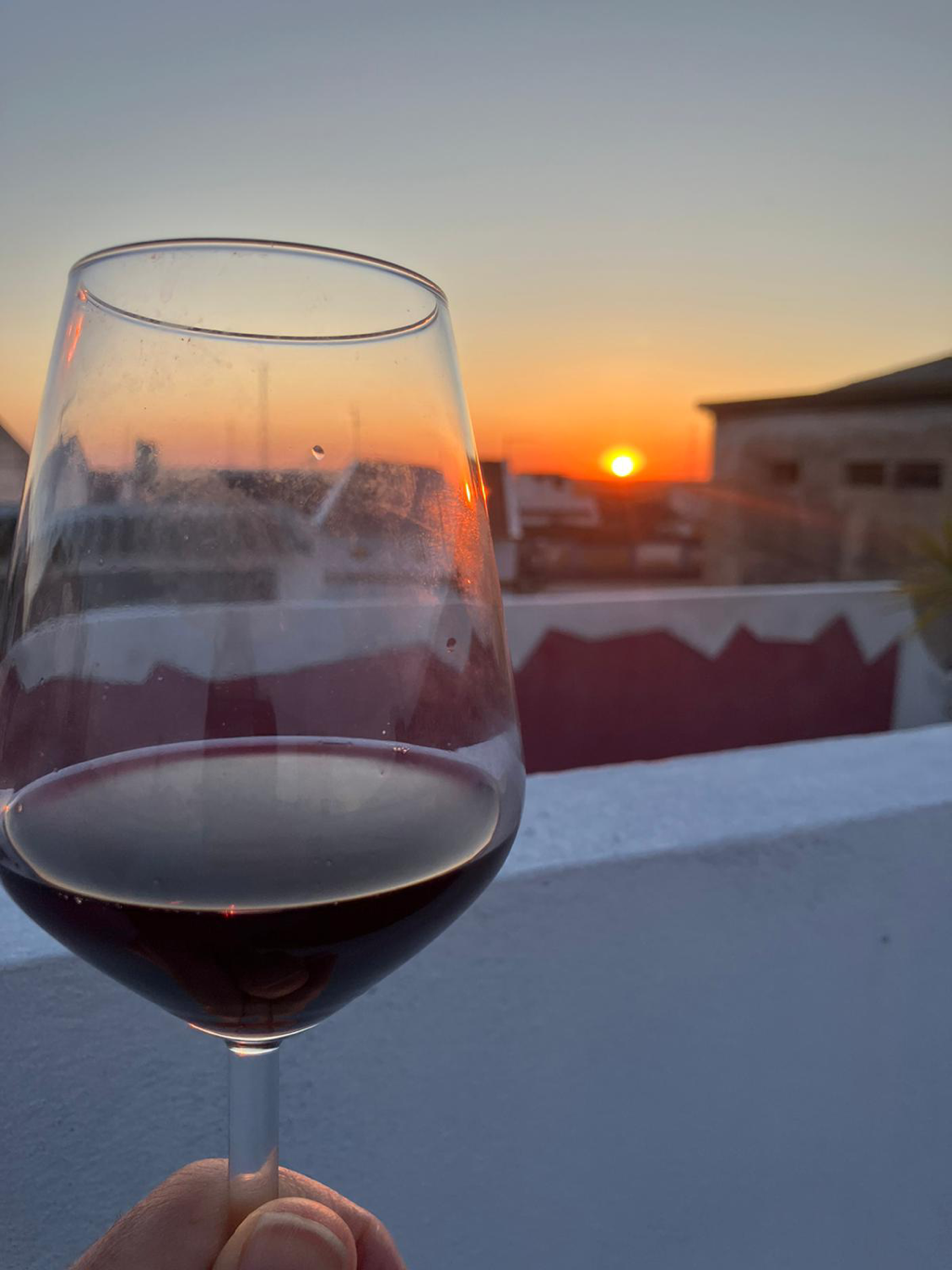
And at the end of a hard day there was always the prospect of locally sourced refreshment at a very reasonable price
Muito obrigada, Portugal, até logo!
 clairedavieswriter
Leave a comment